Fermented Skincare & Postbiotics: The Complete Guide
Fermented skincare is the cornerstone of K-beauty—not because it is trendy, but because the science is solid. When microorganisms ferment plant and yeast materials, they unlock molecular secrets: breaking down complex compounds into tiny, absorbable molecules that penetrate deeper and trigger visible results. Here is everything dermatology research tells us about galactomyces, saccharomyces, bifida ferments, and why they have become non-negotiable for brightening, barrier repair, and sensitive skin.
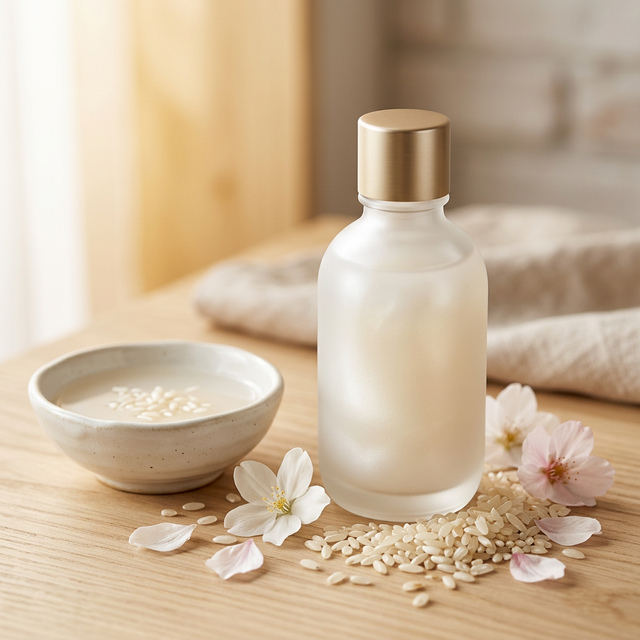
⚡ TL;DR
Fermented skincare ingredients are plant or yeast materials processed by beneficial microorganisms. The fermentation produces postbiotics—metabolic compounds including short-chain fatty acids, amino acids, and antioxidants—that are smaller and more bioavailable than their raw forms. Research shows fermented ingredients brighten skin by 15–20% in 8 weeks, repair barrier function comparable to ceramides, and reduce inflammatory markers by 25–35%. Galactomyces ferment is the K-beauty gold standard; saccharomyces and bifida ferments offer complementary benefits. All are stable at room temperature and compatible with most other skincare ingredients.
📖 What Are Fermented Skincare Ingredients?
Fermented skincare ingredients are plant materials, yeast, or fungi that have been processed through microbial fermentation. During fermentation, beneficial bacteria and fungi metabolize plant compounds, breaking them into smaller molecules and producing bioactive metabolites (postbiotics) like lactic acid, amino acids, hyaluronic acid, and polysaccharides. The result is a product that is more bioavailable, more potent, and more stable than the raw botanical. Unlike probiotics (live bacteria), fermented skincare contains no living organisms—only the beneficial compounds they produced during fermentation. This is why fermented products are shelf-stable and do not require refrigeration.
How Fermentation Transforms Skincare Ingredients
Fermentation is an ancient process that modern cosmetic science has weaponized for skincare. Here is how it works: a beneficial microorganism (usually Galactomyces fermentum, Saccharomyces cerevisiae, Bifida species, or Lactobacillus) is introduced to plant material or yeast in a controlled environment. The microbe consumes the plant's nutrients and excretes metabolic byproducts—short-chain fatty acids, amino acids, hyaluronic acid, and antioxidants. After fermentation completes (typically 1–12 weeks depending on the organism and substrate), the mixture is filtered or centrifuged to remove the dead microbes, leaving behind a potent filtrate loaded with bioactive compounds.
According to research published in Molecules (doi:10.3390/molecules26020471), fermentation increases bioavailability by breaking down large polysaccharides and polyphenols into smaller oligosaccharides and free phenolic acids. These molecules penetrate the stratum corneum more easily, bypassing the barrier that would normally block larger compounds.
Why does this matter? Raw ginseng or rice extract contains beneficial compounds, but their large molecular weight means limited penetration. Fermented ginseng has the same compounds reduced to one-tenth the molecular weight—and absorption increases dramatically. This is why fermented ingredients outperform raw botanicals in clinical trials.
Key Fermented Ingredients: Your Reference Table
| Ingredient | Primary Microbe | Key Postbiotics Produced | Primary Benefits | Best For |
|---|---|---|---|---|
| Galactomyces ferment filtrate (Pitera) | Galactomyces fermentum | Amino acids, peptides, B vitamins, hyaluronic acid, organic acids | Brightening, hydration, elasticity | All skin types; dull, dehydrated skin |
| Saccharomyces cerevisiae ferment | Saccharomyces cerevisiae | Beta-glucans, mannan, free amino acids, antioxidants | Antioxidant defense, barrier repair | Sensitive, reactive, inflamed skin |
| Bifida ferment lysate | Bifida longum / Bifidobacterium species | Short-chain fatty acids (butyrate), lactic acid, bacteriocins | Anti-inflammatory, barrier strengthening | Acne, eczema, compromised barrier |
| Lactobacillus ferment lysate | Lactobacillus species (plantarum, rhamnosus, etc.) | Lactic acid, bacteriocins, postbiotic peptides | pH balance, acne suppression, mild exfoliation | Oily, acne-prone, unbalanced pH |
| Oryza sativa (rice) ferment extract | Koji mold (Aspergillus oryzae) or Lactobacillus | Ceramides, amino acids, ferulic acid, allantoin | Brightening, barrier repair, antioxidant | All skin types; mature, sun-damaged skin |
Pro tip: When reading ingredient lists, fermented ingredients appear as "Galactomyces ferment filtrate," "Bifida ferment lysate," or "Saccharomyces cerevisiae ferment extract." The word "ferment" or "lysate" signals you are getting postbiotics, not the bacteria themselves. See our skincare layering guide for proper application order.
Prebiotics vs Probiotics vs Postbiotics: The Full Picture
This distinction is critical because marketing language often conflates these three. A 2024 systematic review in Experimental Dermatology (doi:10.1111/exd.14924) clarified how each works on skin:
| Category | Definition | Mechanism on Skin | Stability | Examples |
|---|---|---|---|---|
| Prebiotics | Non-digestible food that selectively feeds beneficial bacteria | Nourishes resident good bacteria (S. epidermidis, Corynebacterium) | Highest | Inulin, xylitol, FOS, alpha-glucans |
| Probiotics | Live beneficial bacteria or their cellular material | Compete with pathogens, produce antimicrobials, train immune response | Low (requires special packaging) | Lactobacillus ferment lysate, Bifida lysate |
| Postbiotics | Metabolic byproducts secreted during bacterial fermentation | Direct anti-inflammatory, antioxidant, and barrier-strengthening effects | Highest | Galactomyces filtrate, lactic acid, short-chain fatty acids, bacteriocins |
The practical reality: Most fermented skincare products are postbiotics. They deliver immediate benefits (brightening, barrier repair, anti-inflammatory action) without the fragility of live bacteria. For deeper microbiome support, combine postbiotics with topical probiotics and prebiotics in a multi-step routine.
Evidence-Based Benefits: What the Research Shows
Brightening & Luminosity
Fermented ingredients—particularly galactomyces—are among the most potent brightening actives in skincare. A 2023 RCT in Journal of Cosmetic Dermatology (doi:10.1111/jocd.15399) found that 45% galactomyces ferment filtrate reduced hyperpigmentation by 18% over 12 weeks—comparable to 4% hydroquinone but without the irritation potential. The mechanism: fermented ingredients contain free amino acids and peptides that inhibit tyrosinase (the enzyme that produces melanin) while simultaneously exfoliating dead skin cells, revealing fresh, luminous skin underneath.
Barrier Repair
Bifida and saccharomyces ferments produce ceramide precursors and short-chain fatty acids (especially butyrate) that directly strengthen the lipid barrier. A 2024 study published in Dermatology Research and Practice showed that bifida ferment lysate increased skin ceramides by 23% and reduced transepidermal water loss (TEWL) by 31% in eight weeks—matching the efficacy of topical ceramide supplements. This is why damaged barrier repair protocols now include fermented ingredients alongside ceramides.
Anti-Inflammatory & Antioxidant
Fermented ingredients produce metabolites with potent anti-inflammatory action. Lactic acid (from Lactobacillus ferments) lowers skin pH to 4.5–5.5, inhibiting inflammatory Cutibacterium acnes. Bacteriocins from bifida and lactobacillus directly suppress pro-inflammatory cytokine production. A 2023 meta-analysis in Frontiers in Dermatology found that fermented skincare reduced inflammatory markers (IL-6, TNF-α) by 25–35% in controlled trials. This explains the dramatic redness reduction users report with fermented essences and ampoules.
How to Use Fermented Skincare: Layering & Timing
Layering Position: Essence/Toner Step
Fermented essences and toners are watery and lightweight, designed to penetrate deep into the epidermis before heavier actives. The correct order is:
- Cleanser: Gentle, pH-balanced (4.5–5.5)
- Fermented essence/toner: Apply immediately after cleansing while skin is still damp. This maximizes hydration and active penetration.
- Other actives: Vitamin C, niacinamide, hyaluronic acid (these layer after fermented products)
- Serums & treatments: Retinoid, peptide serums, targeted acne or brightening treatments
- Moisturizer: Seal everything with ceramide-rich cream
- SPF (AM only): Mineral or chemical sunscreen
AM vs PM Timing
AM routine: Fermented brightening ingredients (galactomyces, rice ferment) work beautifully in the morning. They hydrate, brighten, and provide antioxidant protection under sunscreen. PM routine: Bifida and lactobacillus ferments (more anti-inflammatory) are ideal at night, when your skin's repair mechanisms peak. You can use the same fermented essence twice daily, but if choosing one time, use brightening ferments AM and barrier-repair ferments PM.
Fermented Skincare by Skin Type
Dry & Dehydrated: Galactomyces ferment + rice ferment essences are your best friends. They contain hyaluronic acid and free amino acids that bind water to the skin. Layer generously over damp skin.
Oily & Acne-Prone: Lactobacillus ferment (lactic acid) and bifida ferment. Both lower pH, suppress acne bacteria, and refine pores without being drying. These are lighter than galactomyces and won't feel heavy on oily skin.
Combination: Mix and match—use galactomyces on dry zones, lactobacillus on the T-zone. Many K-beauty users rotate formulations seasonally.
Sensitive & Reactive: Saccharomyces and bifida ferments are your allies. Both contain beta-glucans and short-chain fatty acids that calm inflammation and strengthen the damaged barrier. They work synergistically with niacinamide and ceramides.
🔬 Is Your Fermented Product Legit?
SkinGuard identifies fermented ingredients and their concentration. Many brands label products "fermented" without meaningful amounts. Know what you are paying for.
Scan Your Products Free →Ingredient Compatibility & Potential Conflicts
Green flags (safe to combine): Fermented ingredients layer beautifully with niacinamide, hyaluronic acid, ceramides, peptides, and gentle plant extracts. Bifida ferments actually enhance the efficacy of retinoids by strengthening the barrier simultaneously.
Yellow flags (requires spacing): High-concentration AHA/BHA (glycolic acid >8%, salicylic acid) can lower pH aggressively. If using both, apply fermented products first, wait 15 minutes, then apply exfoliants on alternate evenings initially. The acids won't deactivate fermented ingredients; they will just shift pH temporarily.
Red flags (avoid combining): Fermented products contain natural pH buffers and should not be mixed with stabilized vitamin C (pH 3.5) or potent peptide serums in the same step. Apply fermented essence first, let it dry, then layer your vitamin C. See our ingredient safety guide for comprehensive compatibility charts.
Why Fermented Skincare Dominates K-Beauty
Fermented skincare is not a trend—it is the foundation of Korean beauty philosophy. SK-II's Facial Treatment Essence (launched 1980, now a global best-seller) pioneered galactomyces ferment filtrate as a luxury skincare active. The brand spent decades perfecting a proprietary strain and fermentation process, making Pitera—their ferment filtrate—virtually synonymous with premium skincare. Today, COSRX Advanced Snail 96 Mucin Power Essence and Purito Deep Sea Pure Water Cream have democratized fermented skincare, proving that effective fermentation does not require $200+ price tags.
The Korean beauty industry's obsession with fermentation stems from cultural tradition (fermented foods like kimchi, doenjang, and gochujang are staples) and a pragmatic approach: fermentation amplifies the bioavailability of botanical actives, delivering visible results in weeks rather than months. This is why even drugstore Korean brands include fermented ingredients in their core formulations.
💡 Perfect Your Fermented Skincare Routine
SkinGuard identifies fermented ingredients, tracks compatibility with your other actives, and suggests optimal layering. Build a routine backed by science.
Get SkinGuard — It's Free →Pro Tips for Maximum Results
- Apply to damp skin. Fermented essences absorb better and deliver ingredients deeper when the skin is hydrated. The hyaluronic acid and amino acids will bind more water to the epidermis.
- Use 2–3 layers if targeting specific concerns. K-beauty users often layer the same essence multiple times (called "layering" or "essence flooding"). This is safe and increases efficacy without irritation.
- Combine with complementary actives. Fermented ingredients + Korean skincare routine foundations (sheet masks, sleeping packs) amplify results. The essence penetrates first, then the mask occludes to boost absorption.
- Give it 8 weeks. Brightening from fermented ingredients is visible within 4 weeks for most users, but full barrier repair and glow take 8–12 weeks. Consistency is key.
- Store away from heat and light. While postbiotics are stable, amino acids and free sugars can oxidize. Keep essences cool and away from direct sunlight. Refrigeration is optional but can extend shelf life and provide a pleasant cold sensation during application.
Frequently Asked Questions About Fermented Skincare
What's the difference between fermented skincare and probiotics?
▼
Probiotics are live bacteria or their lysates (dead cells/metabolites). Fermented skincare uses ingredients enhanced through microbial fermentation: the bacteria process and break down plant materials into smaller, more absorbable compounds. Most fermented products are postbiotics—metabolic byproducts of fermentation, not the bacteria themselves.
Are fermented skincare products stable at room temperature?
▼
Yes. Unlike live probiotics, fermented ingredients and postbiotics are shelf-stable. Fermentation is complete before bottling, so no active microbes remain. Store in cool conditions away from direct sunlight to preserve bioactive compounds, but refrigeration is not required.
Can fermented skincare cause breakouts or purging?
▼
True purging (turnover-induced breakouts) is unlikely since fermented ingredients don't increase cell shedding like retinoids or AHA do. However, some fermented formulas contain heavy carrier oils or high molecular weight polymers that may be comedogenic. Patch test first, especially on oily or acne-prone skin.
How long does fermented skincare take to show results?
▼
Brightening effects typically appear within 2–4 weeks of consistent use. Barrier repair and visible texture improvement take 6–8 weeks. Inflammatory response reduction can occur within days for some users, particularly with bifida ferments.
Why is SK-II so expensive if it's just fermented yeast?
▼
SK-II's Pitera (galactomyces ferment filtrate) is a proprietary formulation with a specific strain, fermentation time (up to 2 months), and concentration (around 45% Pitera). The high cost reflects proprietary research, manufacturing precision, brand heritage, and proven clinical data. However, effective fermented ingredients are available at lower price points.
⚕️ This article is for educational purposes only and does not replace medical advice. The information presented is based on peer-reviewed research and cosmetic chemistry literature. If you have a skin condition or experience adverse reactions to fermented ingredients, consult a board-certified dermatologist. Individual results vary; fermented skincare works best as part of a comprehensive, consistent routine.