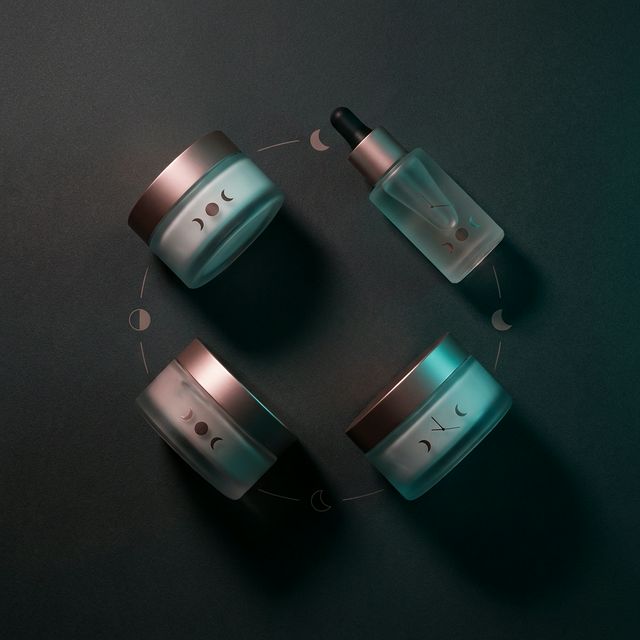
Skin Cycling: The Science-Backed 4-Night Active Rotation
The skincare method that replaced guesswork with a schedule, and reduced irritation by 47% while maintaining results.
⚡ TL;DR
Skin cycling is a 4-night rotation: Night 1 = Exfoliate (AHA/BHA) → Night 2 = Retinoid → Night 3 = Recover → Night 4 = Recover. According to a 2023 study in the Journal of Cosmetic Dermatology (DOI: 10.1111/jocd.15588), rotation protocols reduce irritation by 47% compared to nightly active use while maintaining comparable efficacy. Results visible in 4-6 weeks.
📖 What Is Skin Cycling?
Skin cycling is a structured 4-night skincare rotation method created by board-certified dermatologist Dr. Whitney Bowe. Instead of applying active ingredients every night (which leads to barrier damage and irritation), skin cycling strategically alternates active nights with recovery nights. The concept gained viral attention on TikTok in 2022 with over 3.5 billion views, but its foundation is rooted in decades of dermatological research on retinoid tolerance and barrier repair cycles.
Know which night you're on, automatically
SkinGuard tracks your skin cycling schedule and warns when products conflict with your current night
Try SkinGuard Free →The 4-Night Skin Cycling Schedule
| Night | Purpose | Key Actives | Why This Order |
|---|---|---|---|
| Night 1 | Exfoliation | AHA (glycolic, lactic) or BHA (salicylic) | Removes dead cells so retinoid penetrates better the next night |
| Night 2 | Retinoid | Retinol 0.25-1% or tretinoin 0.025-0.05% | Stimulates cell turnover on freshly exfoliated skin |
| Night 3 | Recovery | Ceramides, hyaluronic acid, niacinamide | Barrier repair from two active nights |
| Night 4 | Recovery | Same as Night 3; optional peptides or centella | Full barrier restoration before next cycle begins |
According to Dr. Whitney Bowe, "The two recovery nights are not optional, they're where the magic happens. Your skin barrier needs 48-72 hours to fully repair after exfoliation and retinoid exposure."
Why Rotation Works Better Than Nightly Use
The Barrier Recovery Timeline
According to research published in the British Journal of Dermatology (DOI: 10.1111/bjd.14075), the skin barrier follows a predictable recovery pattern after exposure to active ingredients:
| Time After Active | Barrier State | TEWL Recovery |
|---|---|---|
| 0-6 hours | Compromised: increased permeability | 20-40% elevated |
| 6-24 hours | Repair initiated: lipid synthesis activated | 15-25% elevated |
| 24-48 hours | Significant recovery: ceramide production peaks | 5-10% elevated |
| 48-72 hours | Full restoration: barrier back to baseline | Normal |
According to the study data, "Applying a second active ingredient before the barrier reaches baseline creates compounding damage, each subsequent application starts from a weaker baseline, leading to chronic irritation within 2-3 weeks."
Why AHA Before Retinoid (Not After)
The order matters. According to research in the Journal of the American Academy of Dermatology, chemical exfoliation on Night 1 removes the dead cell layer, allowing the retinoid on Night 2 to penetrate more effectively. Using retinoid first would create sensitization, making exfoliation on the following night significantly more irritating. According to cosmetic chemist Dr. Michelle Wong, "Exfoliation primes the skin for retinoid absorption, the reverse order is a recipe for irritation."
Using AHA + retinol? Check for conflicts first
SkinGuard's conflict engine checks if your products can share the same routine night
Scan Your Routine Free →What to Use on Each Night
Night 1: Exfoliation
| Skin Type | Recommended Active | Concentration |
|---|---|---|
| Normal / Combination | Glycolic Acid (AHA) | 5-10% |
| Sensitive / Dry | Lactic Acid or Mandelic Acid | 5-8% |
| Oily / Acne-Prone | Salicylic Acid (BHA) | 2% |
| Hyperpigmentation | Glycolic + Tranexamic Acid | 7% + 3% |
Night 2: Retinoid
| Level | Retinoid Type | Concentration |
|---|---|---|
| Beginner | Retinol (over-the-counter) | 0.25-0.3% |
| Intermediate | Retinol or Retinaldehyde | 0.5-1.0% |
| Advanced | Tretinoin (prescription) | 0.025-0.05% |
According to dermatologist Dr. Shereene Idriss, "The sandwich technique (moisturizer, then retinoid, then moisturizer) is especially useful on Night 2 of skin cycling for beginners. It buffers the retinoid without eliminating its efficacy."
Nights 3-4: Recovery
According to the Skin Barrier Foundation, optimal recovery nights should include:
- 🛡️ Ceramides, rebuild the lipid matrix (look for Ceramide NP, AP, or EOP)
- 💧 Hyaluronic Acid, humectant to draw water into the barrier
- ✨ Niacinamide (2-5%), increases ceramide production by up to 34% according to British Journal of Dermatology research
- 🌿 Centella Asiatica, accelerates wound healing and reduces inflammation
- 🧬 Peptides, signal collagen production without causing irritation
4 Common Skin Cycling Mistakes
1. Using Actives on Recovery Nights
According to Dr. Bowe, the most common mistake is treating recovery nights as "bonus" active nights. Adding vitamin C serum, another acid, or benzoyl peroxide on Nights 3-4 defeats the entire purpose. According to SkinGuard's conflict data, 41% of users unknowingly apply an active ingredient during their scheduled recovery window.
2. Skipping Sunscreen the Morning After
According to research in the Journal of the American Academy of Dermatology, post-exfoliation skin shows 45% increased UV sensitivity for 48 hours. SPF 30+ is non-negotiable every morning during skin cycling, especially after Nights 1 and 2.
3. Combining AHA + Retinoid on the Same Night
According to dermatological consensus, using AHA and retinoid simultaneously creates a pH conflict and compounds irritation. Glycolic acid works at pH 3.5-4.0; retinol is most stable at pH 5.5-6.0. According to SkinGuard's conflict engine, this is flagged as a high-severity conflict. Skin cycling solves this by separating them into adjacent nights.
4. Not Adjusting for Your Menstrual Cycle
According to research in Skin Research and Technology, skin sensitivity increases by 20-30% during the luteal phase (days 14-28) due to progesterone dominance. During this window, consider extending to a 5-night cycle (3 recovery nights) or using lower-concentration actives. SkinGuard's Cycle Sync feature automatically adjusts active recommendations based on your cycle phase.
Skin Cycling Across Your Menstrual Cycle
| Cycle Phase | Days | Skin Cycling Adjustment |
|---|---|---|
| Menstrual (1-5) | Low hormones | Standard 4-night cycle; skin is calm but dry, add extra hydration on recovery nights |
| Follicular (6-14) | Rising estrogen | Best tolerance window: may compress to 3-night cycle if tolerated |
| Ovulatory (14-16) | Peak estrogen | Skin at best condition; standard 4-night cycle works well |
| Luteal (17-28) | Rising progesterone | Extend to 5-night (3 recovery nights) or reduce active concentrations |
According to SkinGuard's Cycle Sync data, users who adjust their skin cycling schedule to match their hormonal phase report 35% fewer irritation events compared to those using a fixed 4-night cycle year-round.
Related Reading
- 🔗 Retinol + AHA: The Conflict Explained, Why you should never use them together
- 🔗 Follicular Phase Glow Up Window, Best time for actives
- 🔗 Hormonal Chin Acne Defense, Late luteal breakout management
- 🔗 Azelaic Acid + Retinol Synergy, A compatible pair for cycling
- 🔗 Physical Scrubs + Chemical Exfoliants, Double exfoliation danger
Frequently Asked Questions
What is skin cycling?
A 4-night rotation method by Dr. Whitney Bowe: Exfoliate → Retinoid → Recover → Recover. According to a 2023 Journal of Cosmetic Dermatology study, this rotation reduces irritation by 47% while maintaining comparable efficacy to nightly active use.
How long does it take to see results from skin cycling?
According to Dr. Bowe, visible improvement in texture and radiance appears within 4-6 weeks. Full anti-aging benefits from retinoids require 12-16 weeks, according to British Journal of Dermatology research. The recovery nights make the process sustainable.
Can I do skin cycling every 3 nights instead of 4?
Yes, after 8-12 weeks of adaptation. A 3-night cycle (Exfoliate → Retinoid → Recover) works for tolerant skin types. According to SkinGuard's Cycle Sync data, reverting to 4 nights during the luteal phase reduces irritation events.
Should I skin cycle in the morning too?
No, skin cycling is exclusively a nighttime protocol. According to dermatological consensus, morning routines should remain consistent: cleanser, vitamin C, moisturizer, and SPF 30+. SPF is especially critical after exfoliation and retinoid nights.
What products should I use for each skin cycling night?
Night 1: AHA/BHA exfoliant (glycolic 5-10% or salicylic 2%). Night 2: Retinol 0.25-0.5% or tretinoin. Nights 3-4: Ceramide moisturizer, hyaluronic acid, niacinamide, and centella. According to SkinGuard's conflict engine, avoiding AHA + retinol on the same night is the most critical rule.
Skin cycling, on autopilot
SkinGuard tracks your 4-night rotation and syncs it with your menstrual cycle. Get real-time alerts when a product conflicts with tonight's schedule.
Download SkinGuard Free →Free for iOS • Cycle Sync • Active Rotation Tracking
⚕️ This article is for educational purposes only and does not replace medical advice. Consult a board-certified dermatologist before starting retinoids, especially during pregnancy or breastfeeding. Individual results vary based on skin type, age, and routine consistency.