Fungal Acne and Hormones: The Luteal Phase Connection
Those tiny, itchy bumps that appear like clockwork mid-cycle aren't regular acne, they're Malassezia folliculitis, and your hormones are feeding them.
⚡ TL;DR
Progesterone spikes during the luteal phase (days 15-28) increase sebum by 30-40%. According to research in the Journal of the American Academy of Dermatology (DOI: 10.1016/j.jaad.2018.06.063), sebum lipids are primary food for Malassezia yeast. Swap fermented and high-oleic products for fungal acne-safe alternatives starting around ovulation (day 14).
📖 What Is Fungal Acne?
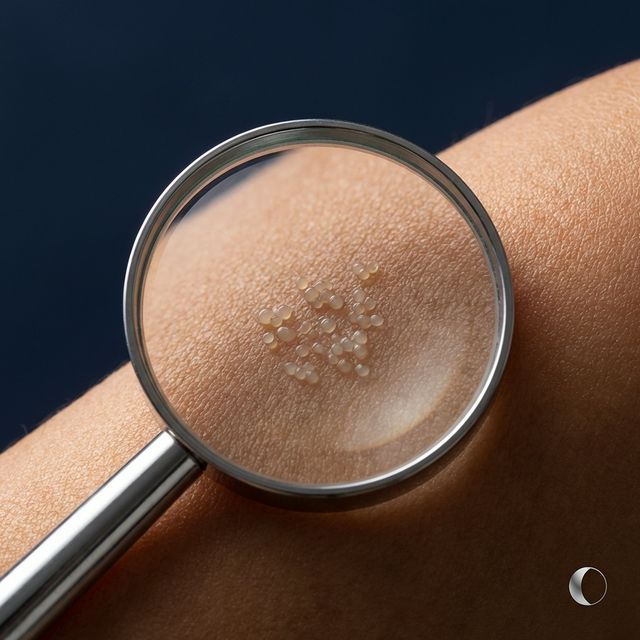
Fungal acne, clinically called Malassezia folliculitis or Pityrosporum folliculitis, is an infection of hair follicles by Malassezia yeast, a genus that naturally lives on human skin. Unlike bacterial acne caused by C. acnes, fungal acne presents as uniform, small (1-2mm), itchy papules that don't respond to antibiotics. It's estimated to account for up to 16% of cases diagnosed as "acne" that don't respond to standard treatment.
Check your products for fungal acne triggers
SkinGuard's Cycle Sync feature flags Malassezia-feeding ingredients during your luteal phase
Scan Your Products Free →The Hormone-Malassezia Connection
Your menstrual cycle directly controls how much Malassezia thrives on your skin. According to research published in the International Journal of Dermatology (DOI: 10.1111/ijd.14684), the connection works through a simple chain:
The Cascade: Hormones → Sebum → Malassezia
| Cycle Phase | Days | Progesterone | Sebum Level | Fungal Acne Risk |
|---|---|---|---|---|
| Menstrual | 1-5 | Very low | Low | 🟢 Low |
| Follicular | 6-13 | Low | Normal | 🟢 Low |
| Ovulation | 14 | Rising | Increasing | 🟡 Medium |
| Early Luteal | 15-21 | Peak | +30-40% | 🔴 High |
| Late Luteal | 22-28 | Dropping | Still elevated | 🟠 High-Medium |
Malassezia yeast feeds specifically on C12-C24 fatty acids found in sebum. According to dermatologist Dr. Dray, "When you produce 30-40% more sebum during the luteal phase, you're essentially setting a bigger table for the yeast. The more food available, the faster Malassezia populations grow."
Ingredients That Feed Malassezia
Not all skincare ingredients are equal when it comes to fungal acne. According to research published in the Journal of Clinical and Aesthetic Dermatology, the key variable is fatty acid chain length. Malassezia metabolizes C11-C24 fatty acids as food, while shorter-chain fatty acids (C8-C10) are actually antifungal.
🔴 Malassezia-Feeding Ingredients to Avoid During Luteal Phase
| Ingredient | Fatty Acid | Chain Length | Found In |
|---|---|---|---|
| Coconut oil | Lauric acid | C12 | Oil cleansers, moisturizers |
| Olive oil / Oleic acid | Oleic acid | C18 | Creams, serums, cleansers |
| Shea butter | Stearic/Oleic | C18 | Rich moisturizers, lip balms |
| Galactomyces ferment | Yeast byproducts | Mixed | K-beauty essences, FTEs |
| Saccharomyces ferment | Yeast metabolites | Mixed | Fermented toners, serums |
| Polysorbate 60/80 | Oleic esters | C18+ | Emulsifiers in many creams |
🟢 Fungal Acne-Safe Alternatives
| Instead Of | Use | Why It's Safe |
|---|---|---|
| Coconut oil | MCT oil (C8/C10 only) | Short-chain fatty acids are antifungal |
| Shea butter moisturizer | Squalane + gel moisturizer | Squalane is a hydrocarbon, not a fatty acid |
| Galactomyces essence | Centella asiatica serum | Plant extract, no yeast metabolites |
| Oleic-heavy cream | Ceramide-based cream | Ceramides repair barrier without feeding yeast |
Find out which of your products feed Malassezia
SkinGuard scans ingredient lists against known fungal acne triggers, no guesswork needed
Scan Your Routine Free →The Fermented Skincare Debate
K-beauty popularized fermented ingredients like Galactomyces and Saccharomyces ferment filtrates (found in popular products like SK-II Facial Treatment Essence). But for fungal acne-prone skin, these ingredients are controversial.
Why Some Ferments Feed Malassezia
According to dermatologist Dr. Dray, Galactomyces and Saccharomyces are yeasts themselves. Their fermentation byproducts can contain metabolites that Malassezia can use as nutrients. The concern isn't that these products contain live yeast, but that their metabolic byproducts create a favorable environment for Malassezia growth.
Ferments That Are Generally Safe
Not all fermented ingredients are problematic. According to research in Clinical, Cosmetic and Investigational Dermatology, Lactobacillus ferments actually produce lactic acid and antimicrobial peptides that can inhibit Malassezia growth. Similarly, Bifida ferment lysate (used in Estée Lauder Advanced Night Repair) has been studied for its barrier-strengthening properties without documented Malassezia-feeding effects.
| Ferment Type | Risk Level | Notes |
|---|---|---|
| Galactomyces | High | Yeast-based; metabolites feed Malassezia |
| Saccharomyces | High | Yeast-based; similar mechanism |
| Aspergillus | Medium | Mold-based; less studied for Malassezia interaction |
| Lactobacillus | Low | Bacteria-based; produces lactic acid (inhibits Malassezia) |
| Bifida | Low | Bacteria-based; barrier strengthening without yeast feeding |
Cycle-Based Product Rotation for Fungal Acne-Prone Skin
If you're prone to fungal acne, the most effective strategy isn't eliminating all potential triggers permanently, it's rotating your products based on your cycle phase.
Follicular Phase (Days 6-14): Use What You Love
During the follicular phase, progesterone is low and sebum production is normal. This is your safest window to use fermented essences, richer moisturizers, and oil-based products. According to cycle skincare research, the low-sebum environment doesn't provide enough food for Malassezia overgrowth, even with potentially triggering ingredients.
Luteal Phase (Days 15-28): Swap to Fungal Acne-Safe
Starting around ovulation (day 14), begin transitioning to your fungal acne-safe routine:
- Switch to gel or water-based moisturizers
- Replace fermented essences with centella or niacinamide serums
- Use zinc pyrithione wash (2%) 2-3 times per week on affected areas
- Consider adding azelaic acid, which has mild antifungal properties
Topical Antifungals That Work
Beyond avoiding triggers, you can actively fight Malassezia with these evidence-based ingredients:
| Active | How It Works | Usage |
|---|---|---|
| Zinc pyrithione (2%) | Disrupts yeast cell membranes | Use as contact therapy: apply, wait 5 min, rinse |
| Ketoconazole (2%) | Inhibits ergosterol synthesis in yeast | Available OTC as Nizoral shampoo; use as mask |
| Selenium sulfide (1%) | Reduces Malassezia populations | Apply as mask 2-3x/week during luteal phase |
| Sulfur (2-5%) | Antifungal + oil-absorbing | Use as spot treatment or mask |
| Azelaic acid (10-20%) | Mild antifungal + anti-inflammatory | Daily use; pairs well with other antifungals |
How SkinGuard's Cycle Sync Detects Fungal Acne Risks
SkinGuard is the only skincare app with a built-in Fungal Acne Warning integrated into its Cycle Sync feature. Here's how it works:
- Phase detection: When you log your cycle or sync via HealthKit, SkinGuard calculates your current phase and predicts upcoming transitions
- Ingredient scanning: The app cross-references your saved products' INCI lists against a database of 28,705+ substances, including all known Malassezia-feeding compounds
- Luteal warning: During Early Luteal phase specifically, SkinGuard activates its fungal acne alert and flags any products in your routine containing C12-C24 fatty acids or yeast-derived ferments
- Smart suggestions: Instead of just flagging problems, SkinGuard suggests which products to swap and when to reintroduce them based on your cycle progression
Related Reading
- 🔗 Azelaic Acid + Retinol Synergy, Azelaic acid also fights fungal acne
- 🔗 Skincare Routine for Oily Skin, Oil control strategies
- 🔗 Niacinamide + Vitamin C, Niacinamide reduces sebum production
- 🔗 Benzoyl Peroxide Conflicts, BP doesn't treat fungal acne
Frequently Asked Questions
Is fungal acne linked to hormones?
Yes. According to research in the Journal of the American Academy of Dermatology, sebum production increases by 30-40% during the luteal phase (days 15-28) due to elevated progesterone. Malassezia yeast feeds on sebum lipids, specifically C12-C24 fatty acids. More sebum means more Malassezia food, which is why fungal acne flares predictably in the luteal phase.
What ingredients feed fungal acne?
Fatty acids with carbon chains C11-C24 feed Malassezia yeast. Common culprits include: coconut oil (lauric acid C12), shea butter (oleic acid C18), squalane in some formulations, galactomyces ferment filtrate, saccharomyces ferment, and certain polysorbate emulsifiers. Fatty acids below C11 (like caprylic acid C8) are actually antifungal.
Can fermented skincare cause fungal acne?
It depends on the specific ferment. According to dermatologist Dr. Dray, Galactomyces and Saccharomyces ferment filtrates can potentially feed Malassezia because they contain yeast byproducts that Malassezia can metabolize. However, Lactobacillus ferments are generally safe because they produce lactic acid, which creates an acidic environment that inhibits Malassezia growth.
How do I know if it's fungal acne or regular acne?
Fungal acne (Malassezia folliculitis) presents as uniform, small (1-2mm) itchy bumps, usually on the forehead, chest, or upper back. Unlike regular acne, the bumps are all the same size, they itch rather than hurt, they don't respond to traditional acne treatments (benzoyl peroxide, antibiotics), and they often worsen with antibiotics. A definitive diagnosis requires a dermatologist examining a skin scraping under a microscope.
Does SkinGuard detect fungal acne triggers?
SkinGuard is the only skincare app with a built-in Fungal Acne Warning in its Cycle Sync feature, triggered specifically during Early Luteal phase. The app scans your product ingredients against a database of known Malassezia-feeding compounds and flags products that could worsen fungal acne during your most vulnerable cycle phase.
Sync your skincare with your cycle
SkinGuard's Cycle Sync engine tracks your phases and warns you before fungal acne flares, so you can swap products proactively, not reactively.
Download SkinGuard Free →Free for iOS • Cycle integration via HealthKit • 28K+ ingredients
⚕️ This article is for educational purposes only and does not replace medical advice. Fungal acne can be misdiagnosed, if you suspect Malassezia folliculitis, consult a board-certified dermatologist for proper diagnosis and treatment.