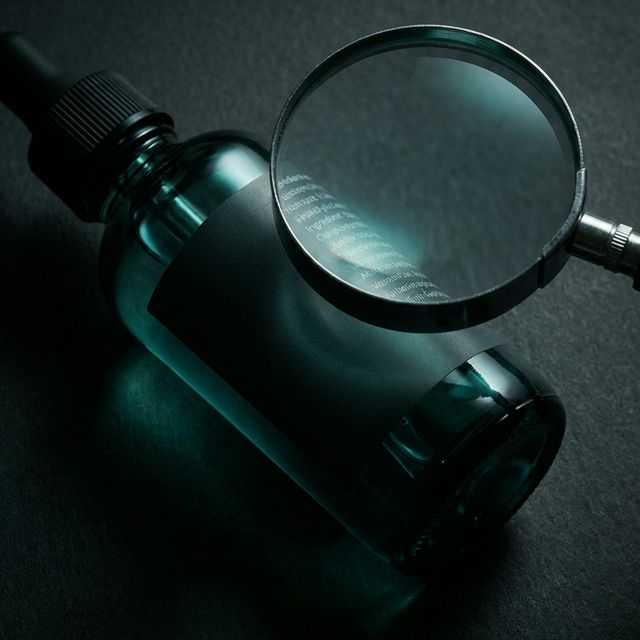
How to Read Skincare Ingredient Labels Like a Dermatologist
The ingredient list on the back of your skincare products contains everything you need to know about what you're putting on your skin. Here's how to read it like a pro.
⚡ TL;DR
INCI (International Nomenclature of Cosmetic Ingredients) is the standardized naming system for cosmetic ingredients. According to EU Cosmetics Regulation (EC) No 1223/2009, ingredients are listed in descending order of concentration. The first 5-7 ingredients make up 80-90% of the formula. Find the "1% line" using signpost ingredients like phenoxyethanol, everything after it is in trace amounts.
📖 What Is INCI?
INCI (International Nomenclature of Cosmetic Ingredients) is a globally standardized naming system for cosmetic ingredients, maintained by the Personal Care Products Council (PCPC). Established to create consistency across markets, INCI names use Latin botanical names for plant-derived ingredients (e.g., Rosa Canina Fruit Oil) and standardized chemical names for synthetic ingredients (e.g., Sodium Hyaluronate). Every cosmetic product sold in the EU, US, Japan, Canada, and most other regulated markets must display ingredients using INCI nomenclature.
Skip the label reading, scan it instead
SkinGuard's OCR scanner instantly decodes any ingredient label and flags conflicts
Try SkinGuard Scanner Free →The Ingredient Order Rule
According to FDA regulations (21 CFR 701.3) and the EU Cosmetics Regulation, ingredients must be listed in descending order of concentration. The ingredient present in the highest amount appears first, and the one present in the smallest amount appears last.
According to cosmetic chemist Perry Romanowski, "The first 5-7 ingredients typically make up 80-90% of the formula. Everything else is present in small amounts, often less than 1%."
Typical Ingredient Order
| Position | Typical Ingredient | Concentration |
|---|---|---|
| #1 | Aqua (Water) | 60-85% |
| #2-3 | Humectants (Glycerin, Butylene Glycol) | 3-10% |
| #4-6 | Emollients, oils, or silicones | 2-8% |
| #7-10 | Emulsifiers, thickeners | 1-3% |
| , 1% LINE, | Signpost ingredients appear here | ~1% |
| After 1% line | Active ingredients, fragrances, preservatives | 0.01-1% |
| Last 3-5 | Colorants (CI numbers), trace preservatives | <0.1% |
How to Find the 1% Line
The 1% line is the most important concept in ingredient label reading. According to cosmetic chemist Perry Romanowski, "Finding the 1% line is the single most useful skill for reading ingredient labels." Everything above the line is present in meaningful concentrations; everything below it is in trace amounts.
Signpost Ingredients (Almost Always ≤1%)
| INCI Name | Common Name | Max Allowed |
|---|---|---|
| Phenoxyethanol | Preservative | 1.0% (EU limit) |
| Sodium Benzoate | Preservative | 0.5% |
| Potassium Sorbate | Preservative | 0.6% |
| Xanthan Gum | Thickener | 0.5-1.0% |
| Tocopherol | Vitamin E (antioxidant) | 0.5-1.0% |
| Parfum / Fragrance | Fragrance blend | Typically 0.5-1.0% |
According to cosmetic chemist Kindof Stephen, "If you see niacinamide AFTER phenoxyethanol on the list, that means there's less than 1% niacinamide in the product. The 2-5% concentration needed for visible results would put it much higher on the list."
INCI Naming Patterns Decoded
INCI names follow specific patterns that, once you learn them, make ingredients immediately recognizable:
| Pattern | Meaning | Example |
|---|---|---|
| Latin Genus Species + Part | Plant-derived ingredient | Centella Asiatica Extract |
| Sodium/Potassium + [Name] | Salt form of an ingredient | Sodium Hyaluronate (HA salt) |
| [Name] + -eth- + number | Ethoxylated (emulsifier/surfactant) | Ceteareth-20 (emulsifier) |
| PEG-[number] | Polyethylene glycol derivative | PEG-100 Stearate (emulsifier) |
| CI + [5-digit number] | Colorant (Colour Index) | CI 77891 (Titanium Dioxide) |
| [Name] + -one/-ane | Silicone | Dimethicone, Cyclomethicone |
Don't memorize, just scan
SkinGuard identifies all 28,705 INCI ingredients instantly from a photo of the label
Scan Your First Label Free →5 Red Flag Ingredients to Know
1. Fragrance / Parfum
According to the American Academy of Dermatology, fragrance is one of the top 5 allergens in cosmetics. The term "Fragrance" or "Parfum" on a label can represent a blend of up to 3,500+ individual chemicals, none of which need to be disclosed. According to the Campaign for Safe Cosmetics, this "fragrance loophole" allows companies to hide sensitizing, allergenic, and even hormone-disrupting chemicals under a single umbrella term.
2. Alcohol Denat. (Denatured Alcohol)
When Alcohol Denat. appears in the first 5-6 ingredients, the product likely contains enough to strip the skin barrier. According to research in the Journal of the European Academy of Dermatology (DOI: 10.1111/jdv.15280), high concentrations of denatured alcohol increase transepidermal water loss (TEWL) and damage the lipid barrier. Note: fatty alcohols (Cetyl Alcohol, Cetearyl Alcohol) are beneficial emollients, don't confuse them.
3. Sodium Lauryl Sulfate (SLS)
SLS is a harsh surfactant commonly used in cleansers and shampoos. According to research in Contact Dermatitis, SLS is one of the most common irritants in dermatological patch testing. While it's effective at cleaning, it strips natural oils and can compromise the skin barrier, especially for sensitive skin.
4. Formaldehyde-Releasing Preservatives
Some preservatives slowly release formaldehyde over time. According to the European Scientific Committee on Consumer Safety (SCCS), the following INCI names are formaldehyde releasers: DMDM Hydantoin, Diazolidinyl Urea, Imidazolidinyl Urea, and Quaternium-15. While they're considered safe at regulated concentrations, they're a common cause of contact dermatitis.
5. Methylisothiazolinone (MI)
MI was named "Allergen of the Year" in 2013 by the American Contact Dermatitis Society. According to a surge in contact dermatitis cases, the EU banned MI from leave-on cosmetics in 2016 but still allows it in rinse-off products at ≤0.0015%. Check for the INCI name "Methylisothiazolinone" and its sister compound "Methylchloroisothiazolinone."
How SkinGuard Reads Labels for You
SkinGuard's OCR scanner has parsed millions of ingredient labels from its database of 28,705 verified substances. Here's what happens when you scan a label:
- 1. OCR Capture: The app captures the ingredient text from a photo of the product label
- 2. INCI Matching: Each ingredient is matched against the 28,705-substance database, handling variations in spelling, abbreviations, and regional naming
- 3. Conflict Detection: The app checks for ingredient conflicts both within the product and across your entire routine
- 4. Red Flag Alert: Known irritants, allergens, and controversial ingredients are flagged with explanations
- 5. Safety Score: The product receives an overall compatibility score based on your skin profile
According to SkinGuard's data, the average skincare product contains 28 ingredients, and 73% of users discover at least one ingredient of concern in their routine after their first scan.
Related Reading
- 🔗 Fragrance in Skincare: Why It Sabotages Actives, Deep dive on the fragrance problem
- 🔗 Duplicate Ingredients, Spot double-dosing on ingredient lists
- 🔗 Vitamin C Mixing Guide, Understanding ascorbic acid derivatives
- 🔗 Copper Peptides + pH Conflicts, Why form matters in ingredients
Frequently Asked Questions
What does INCI mean on skincare labels?
INCI stands for International Nomenclature of Cosmetic Ingredients, a globally standardized naming system maintained by the PCPC. According to EU Cosmetics Regulation (EC) No 1223/2009, every cosmetic product must list ingredients using their INCI names in descending order of concentration.
Why are ingredients listed in a specific order?
According to FDA regulations and EU law, ingredients must be listed in descending order of concentration. Ingredients at 1% or below can be listed in any order. The first 5-7 ingredients make up 80-90% of the formula; everything after the 1% line is in trace amounts.
How do I find the 1% line on a skincare label?
Look for signpost ingredients that are almost always present at or below 1%: phenoxyethanol, sodium benzoate, potassium sorbate, xanthan gum, or tocopherol. According to cosmetic chemist Perry Romanowski, finding the 1% line is the single most useful skill for reading ingredient labels.
What ingredients should I avoid in skincare?
Common red flags include: Fragrance/Parfum (top allergen), Alcohol Denat. (barrier-stripping when high on the list), SLS (harsh surfactant), DMDM Hydantoin (formaldehyde releaser), and Methylisothiazolinone (banned in EU leave-on products). SkinGuard automatically flags 200+ substances of concern.
Can SkinGuard read ingredient labels for me?
Yes. SkinGuard uses OCR to scan labels from photos and matches ingredients against its 28,705-substance database. It flags conflicts, red flags, and provides safety scores. According to SkinGuard's data, 73% of users discover at least one ingredient of concern in their routine.
Stop guessing. Start scanning.
SkinGuard decodes any ingredient label in seconds. No chemistry degree required. 28,705 ingredients. Instant conflict detection.
Download SkinGuard Free →Free for iOS • OCR Scanner • 28K+ ingredients
⚕️ This article is for educational purposes only. Individual skin types and sensitivities vary. If you suspect an ingredient is causing a reaction, discontinue use and consult a board-certified dermatologist. Ingredient regulations vary by region.